
Aviation Art featuring WWII Ace Bud Anderson and P-51 Old Crow
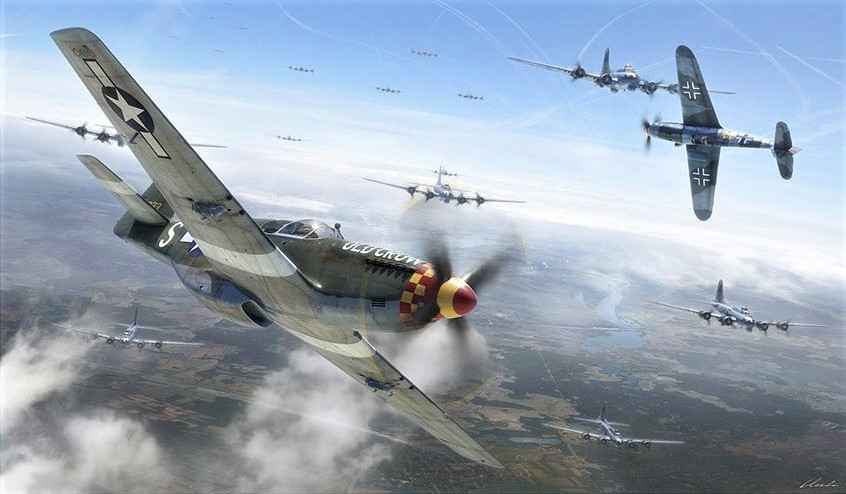
Rock and a hard place by Garth Hector
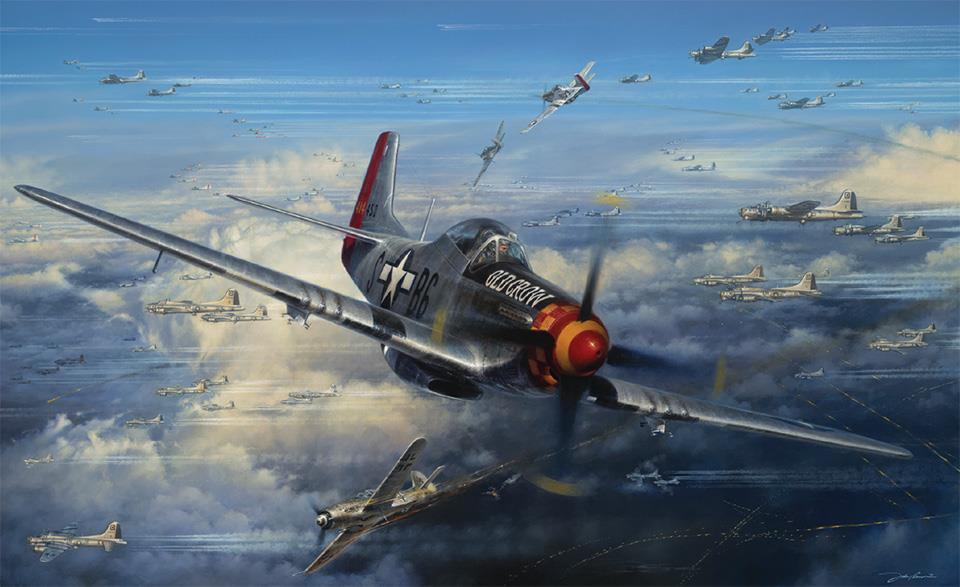
Ramrod Outboard Bound, by John D. Shaw
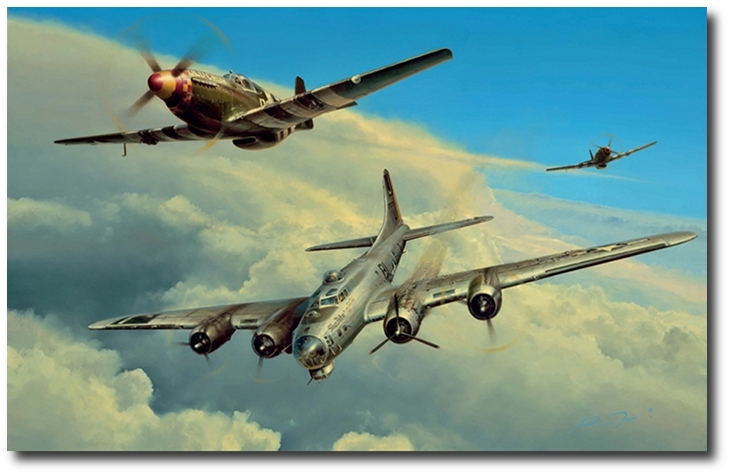
Wounded Warrior by Richard Taylor
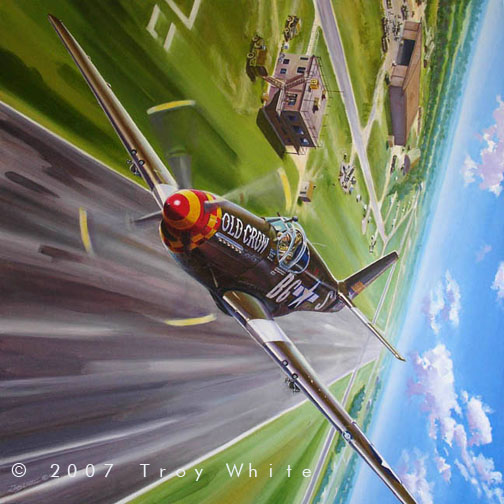
My Blue Heaven by Troy White
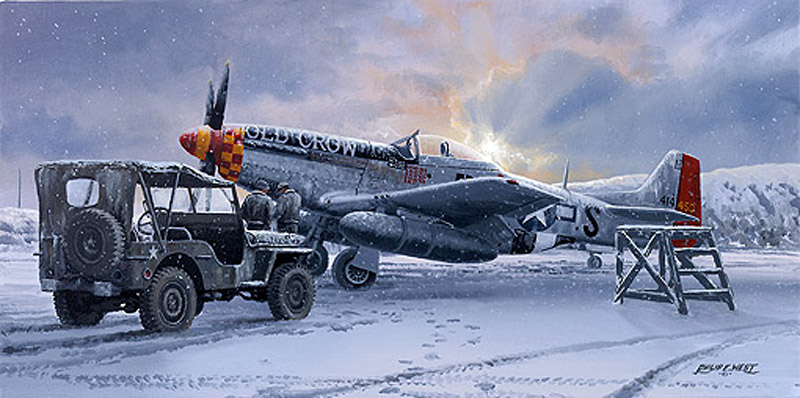
Winter of ’45 by Philip E. West
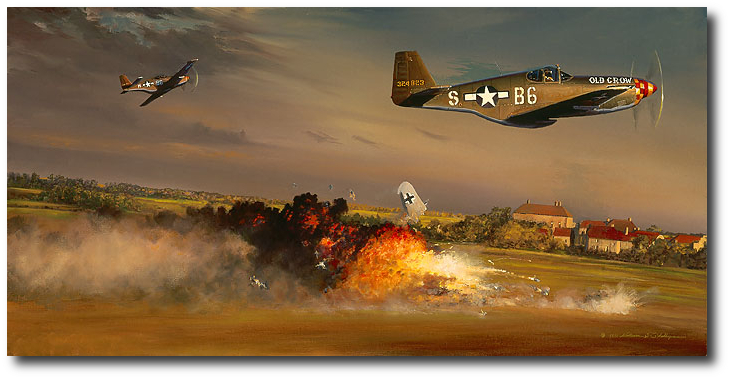
A Bandit goes down by William S. Phillips
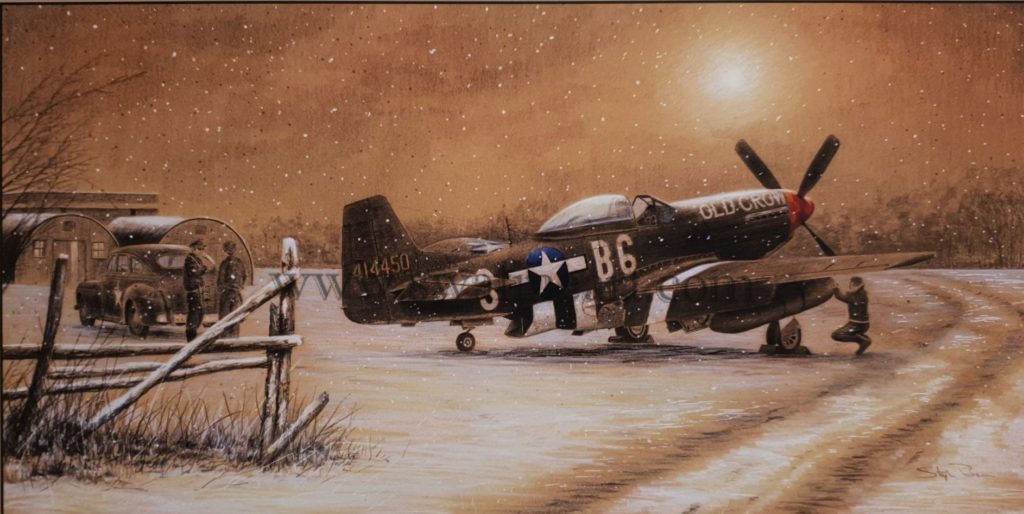
Mustang in the Snow by Steven Brown
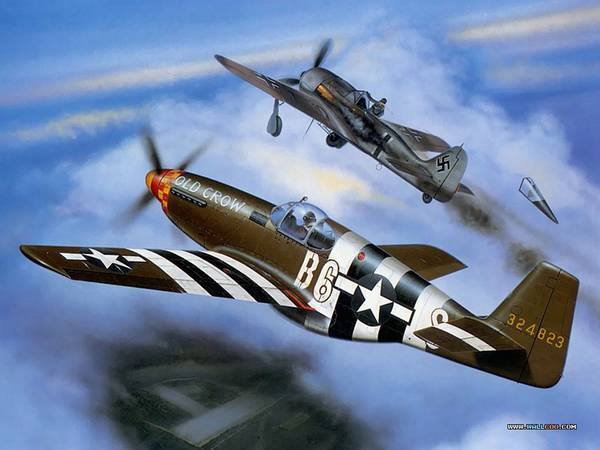
Old Crow – Bud Anderson’s P-51B by Jerry Crandall
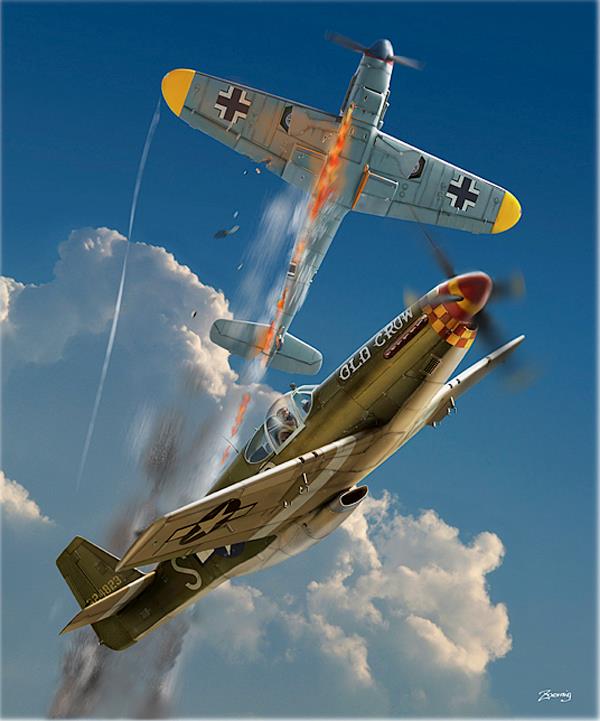
Vertical Duel at Angels 33 by Dan Zoernig
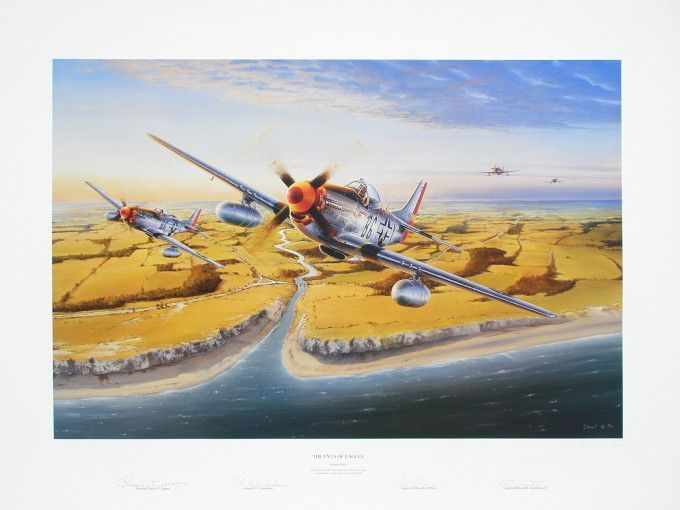
Eyes of Eagles by Michael Short
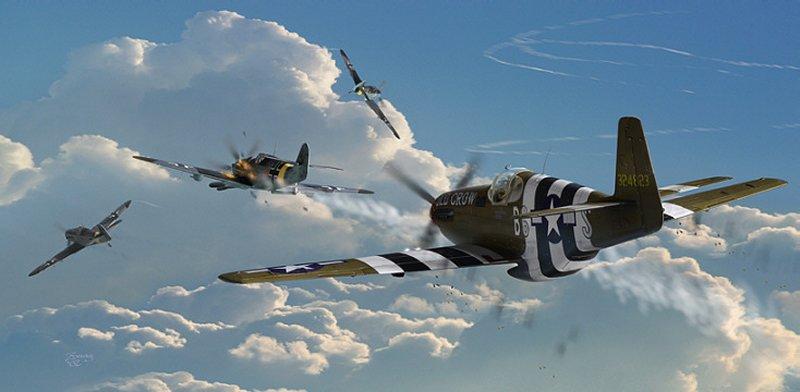
Can’t Talk – Gotta Shoot by Dan Zoernig

Eagles Return by Richard Taylor
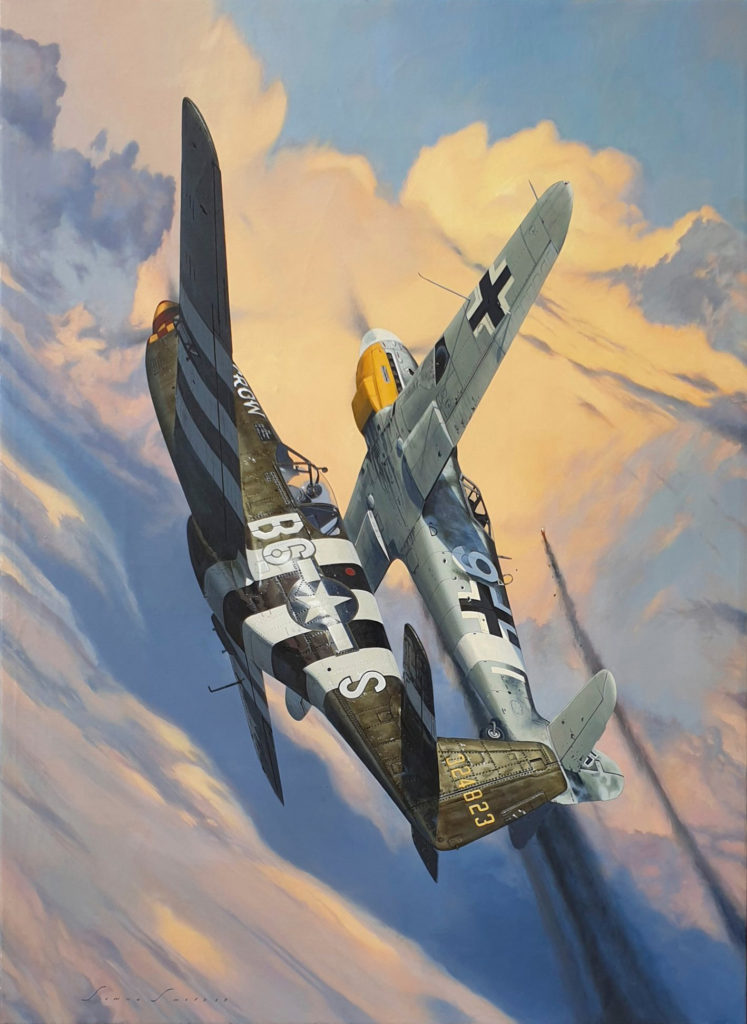
P-51B Old Crow by Simon Smith
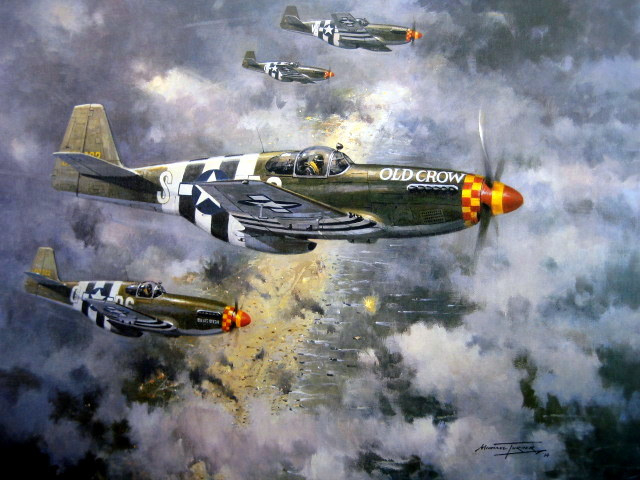
USAAF P-51’s from the 357th Fighter Group, led by Capt. Bud Anderson in “Old Crow” patrol over the D-Day beaches in the early morning of June 6th 1944. – Artist Michael Turner.
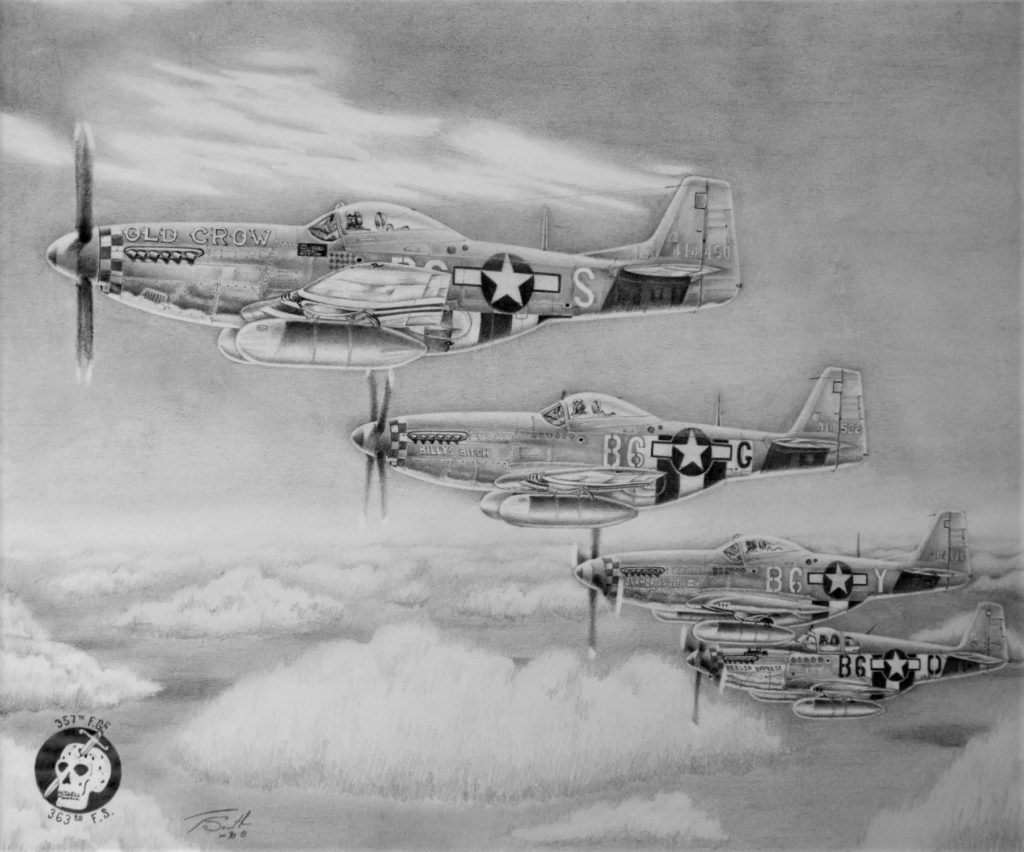
Four from the 357th by Terry South
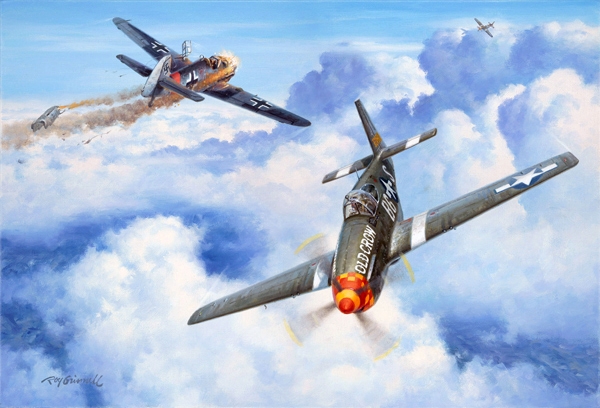
A Shot of Old Crow by Roy Grinnell
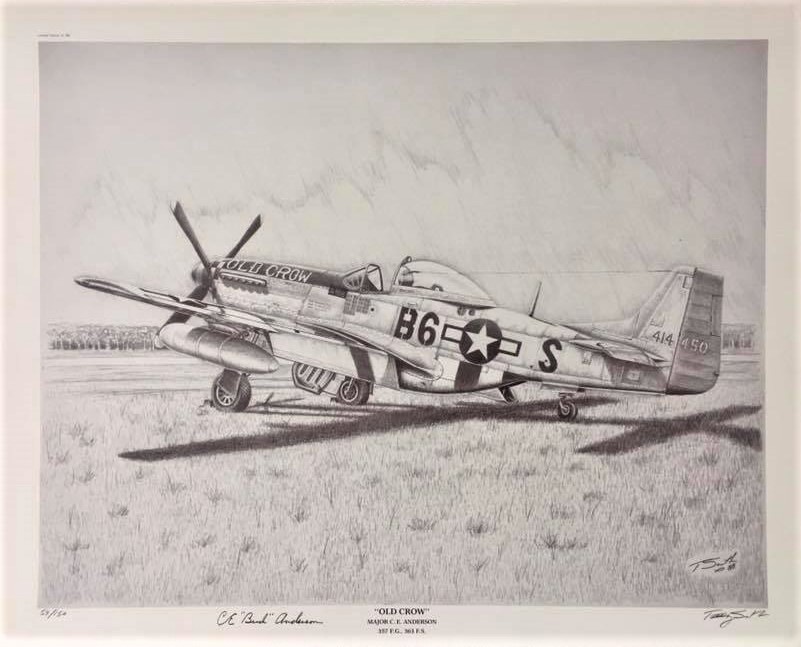
P-51D Old Crow by artist Terry South
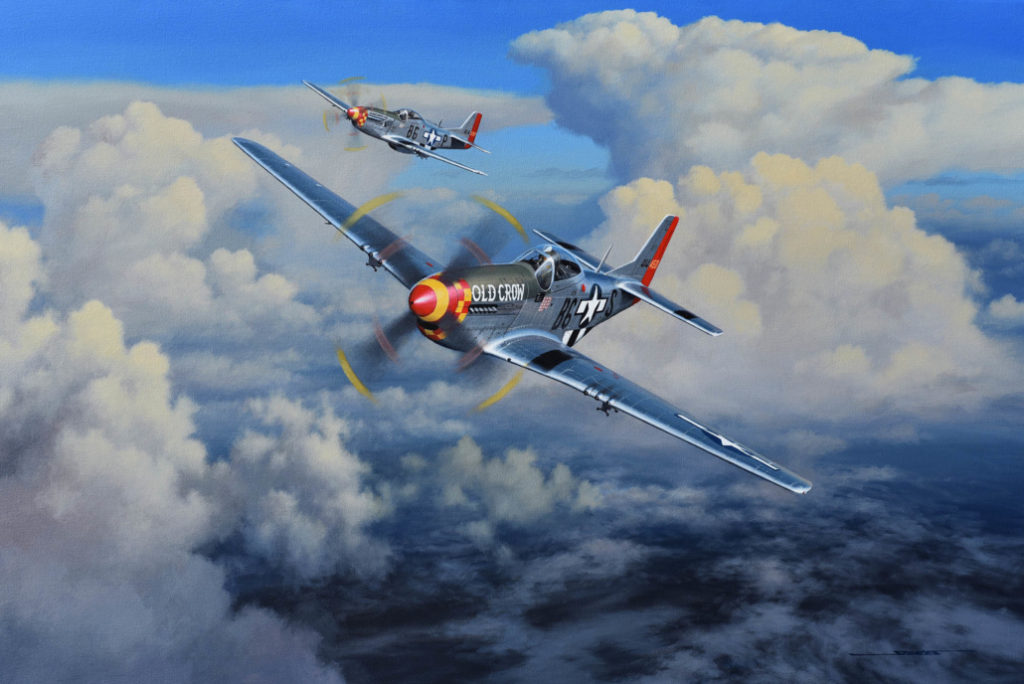
P-51 Old Crow by Stan Stokes
Return to Leiston by Harley Copic
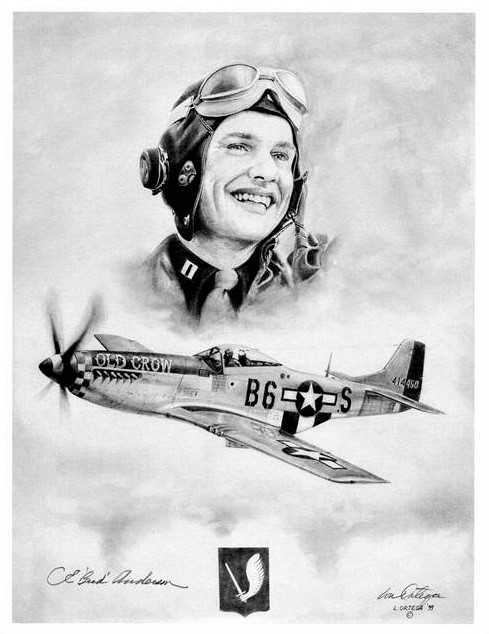
P-51 Old Crow by artist Lonnie Ortega
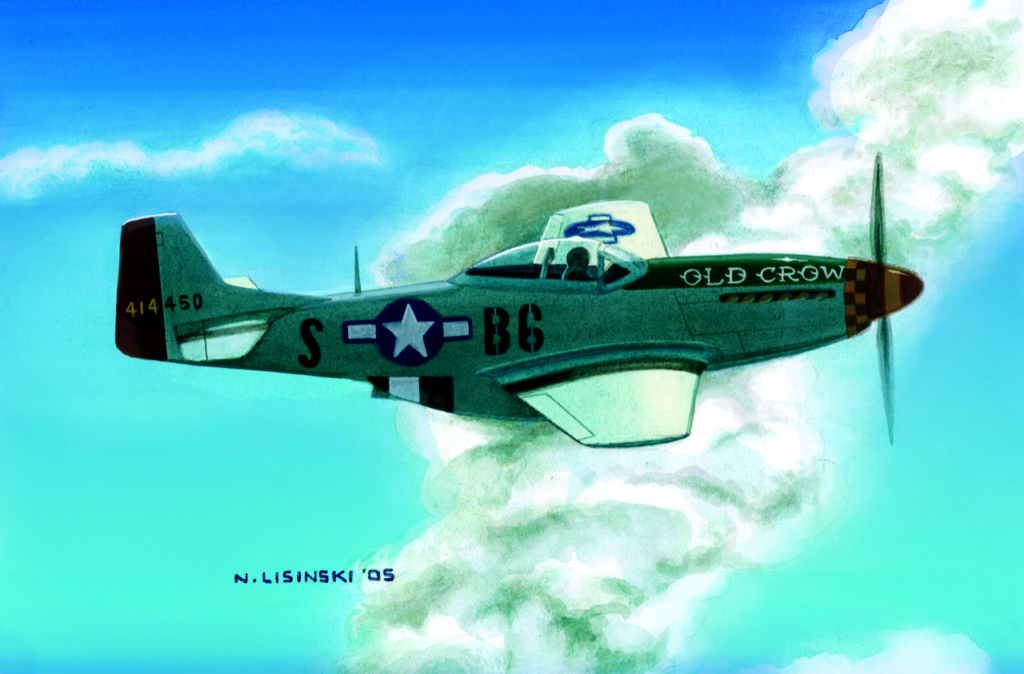
P-51D Old Crow – Norb Lisinski
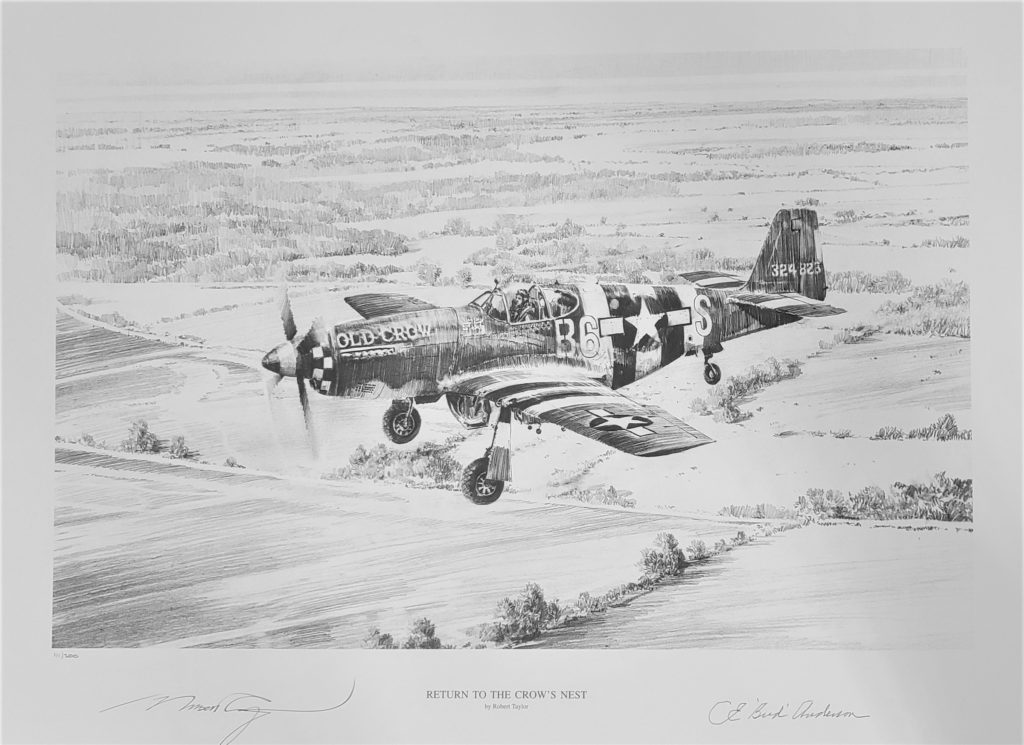
Return to the Crow’s Nest by Robert Taylor
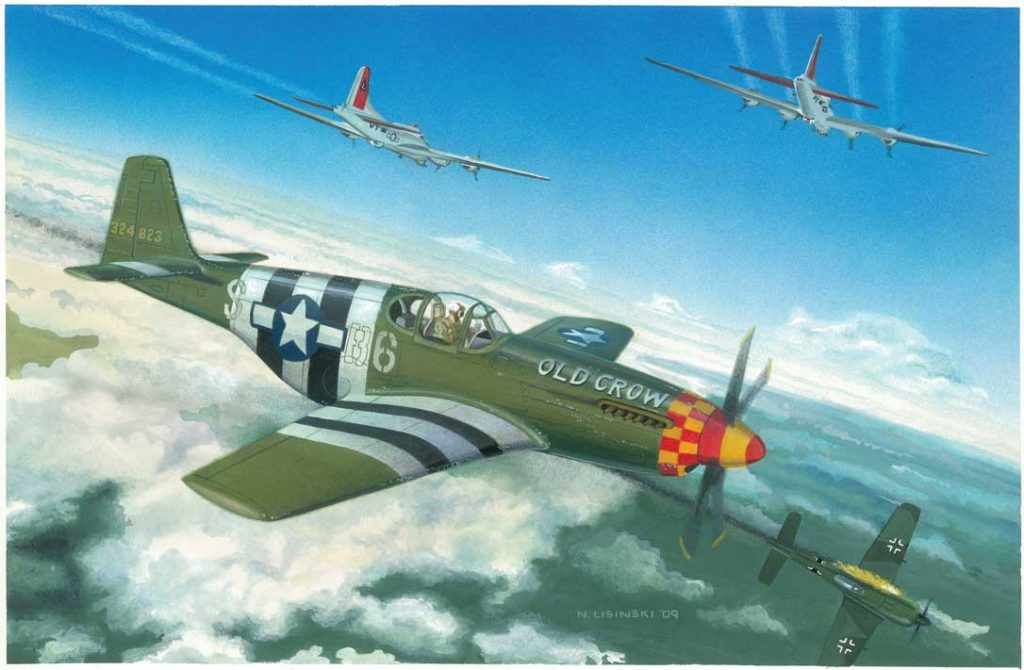
P-51B Old Crow – Norb Lisinski
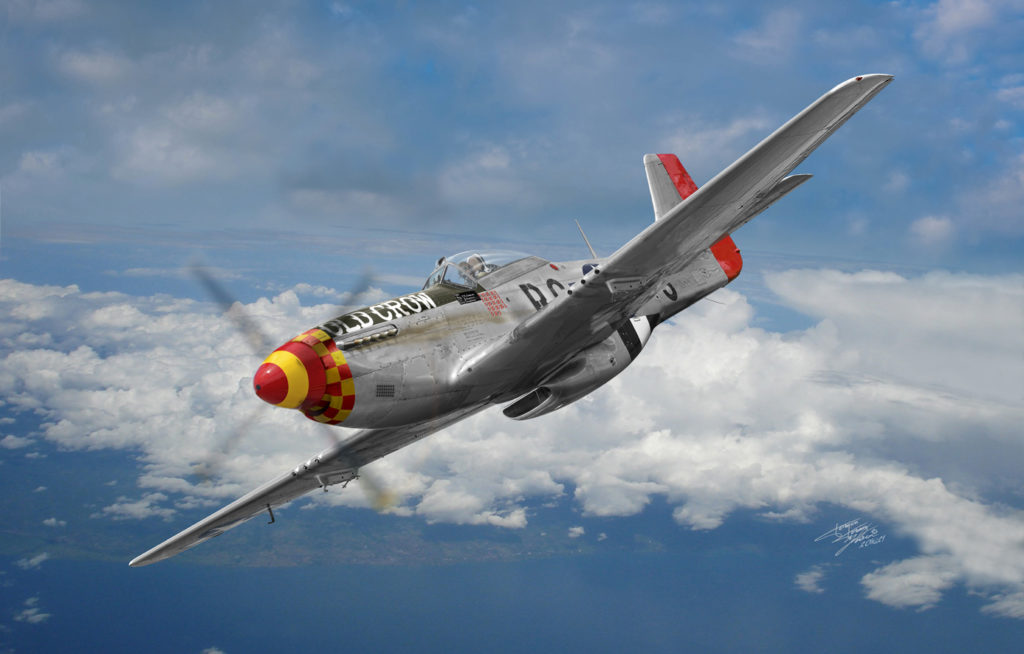
P-51D Old Crow by graphic artist Tomasz “Tommy” Kaca from Poland.
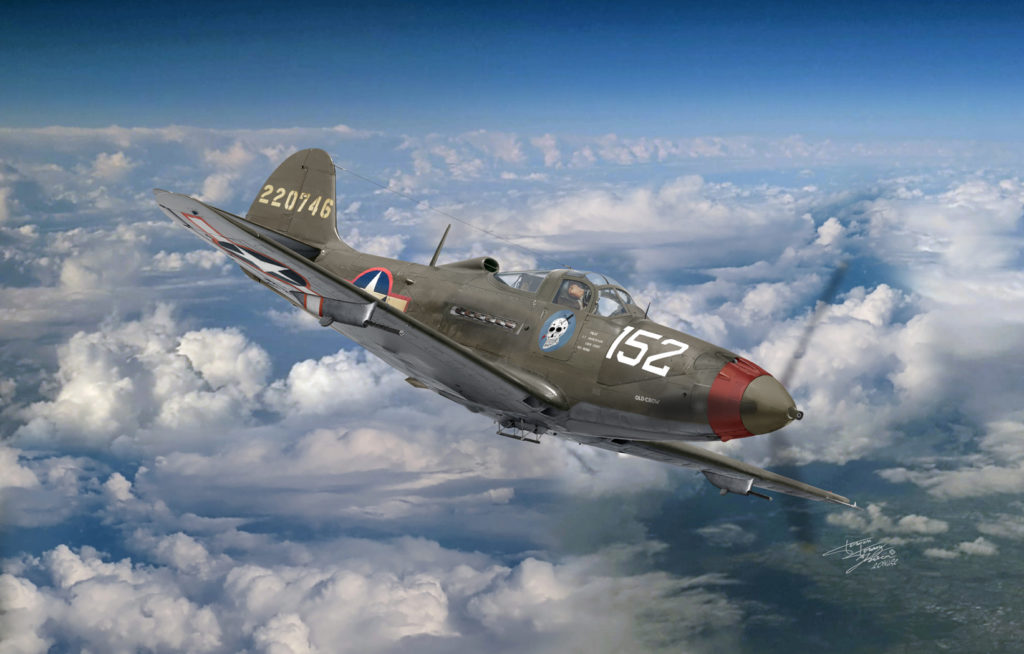
P-39Q Old Crow by graphic artist Tomasz “Tommy” Kaca from Poland.
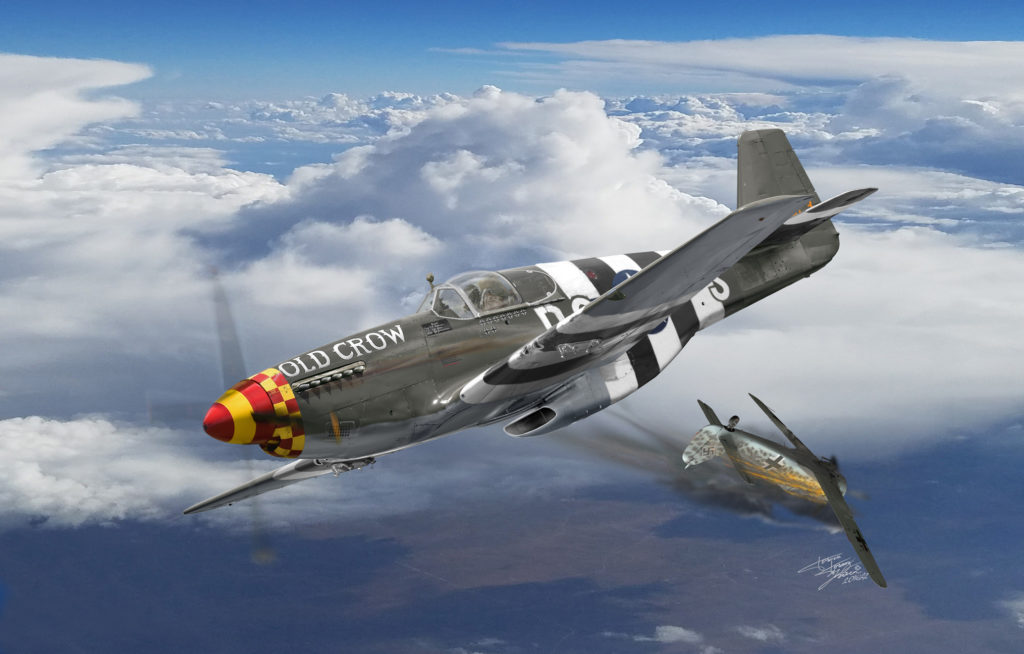
P-51B Old Crow by graphic artist Tomasz “Tommy” Kaca from Poland.
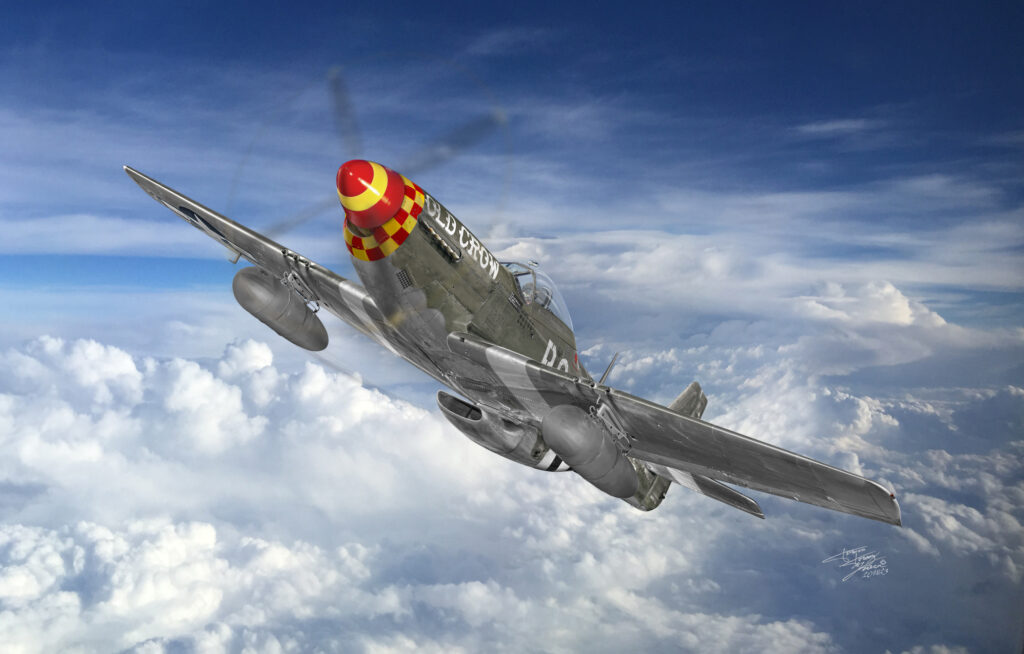
P-51D Old Crow by graphic artist Tomasz “Tommy” Kaca from Poland.
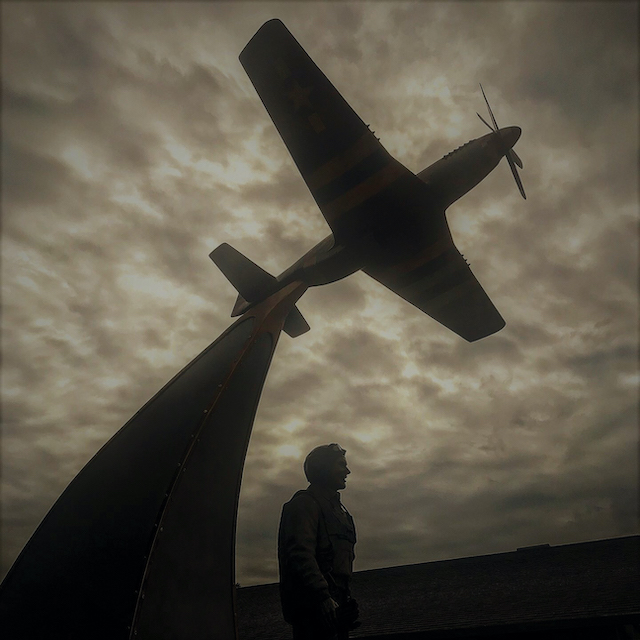
Photo of the Veteran’s Memorial Statue dedicated to Triple Ace Bud Anderson at the Auburn Airport, CA. Artist and Sculptor Doug Van Howd. Photo by Michael Kennedy
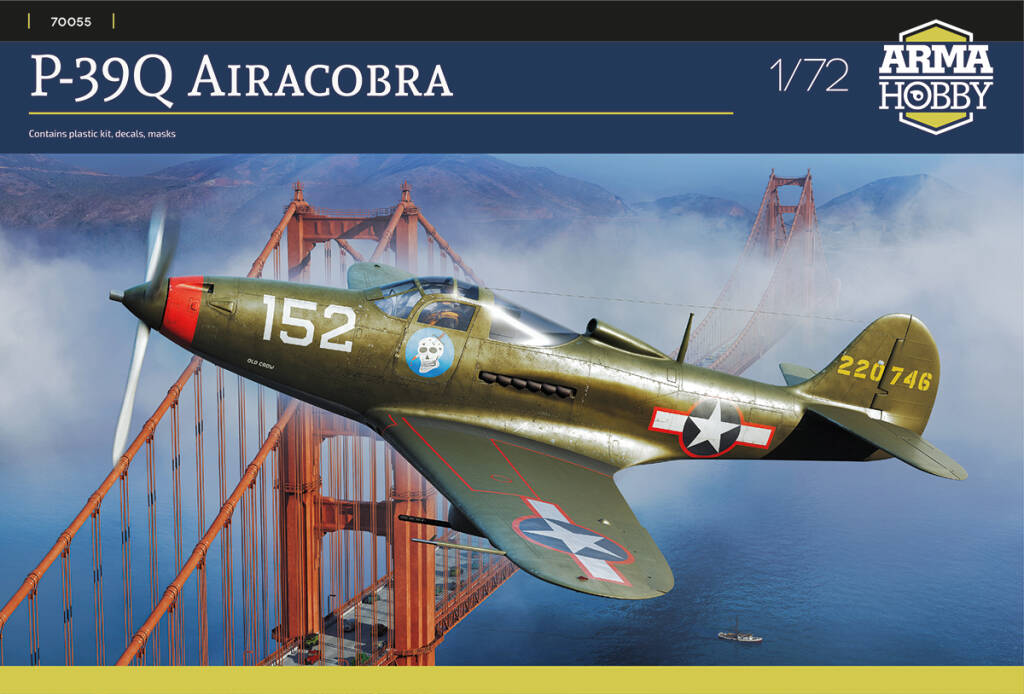
P-39Q OLD CROW model box art from ARMA Hobby
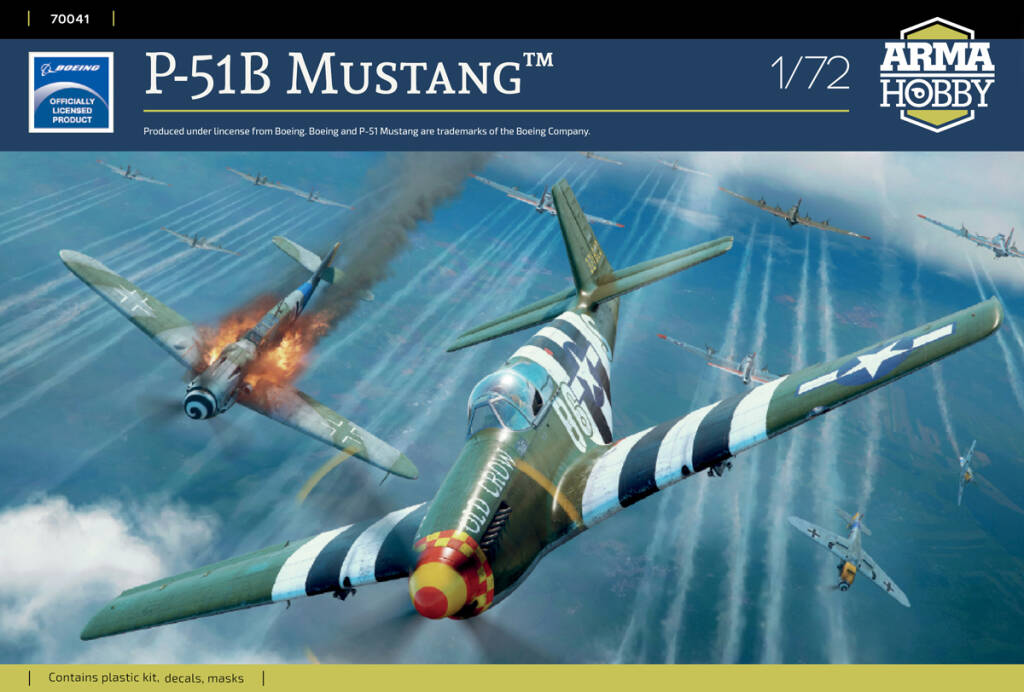
P-51B OLD CROW model box art from ARMA hobby.
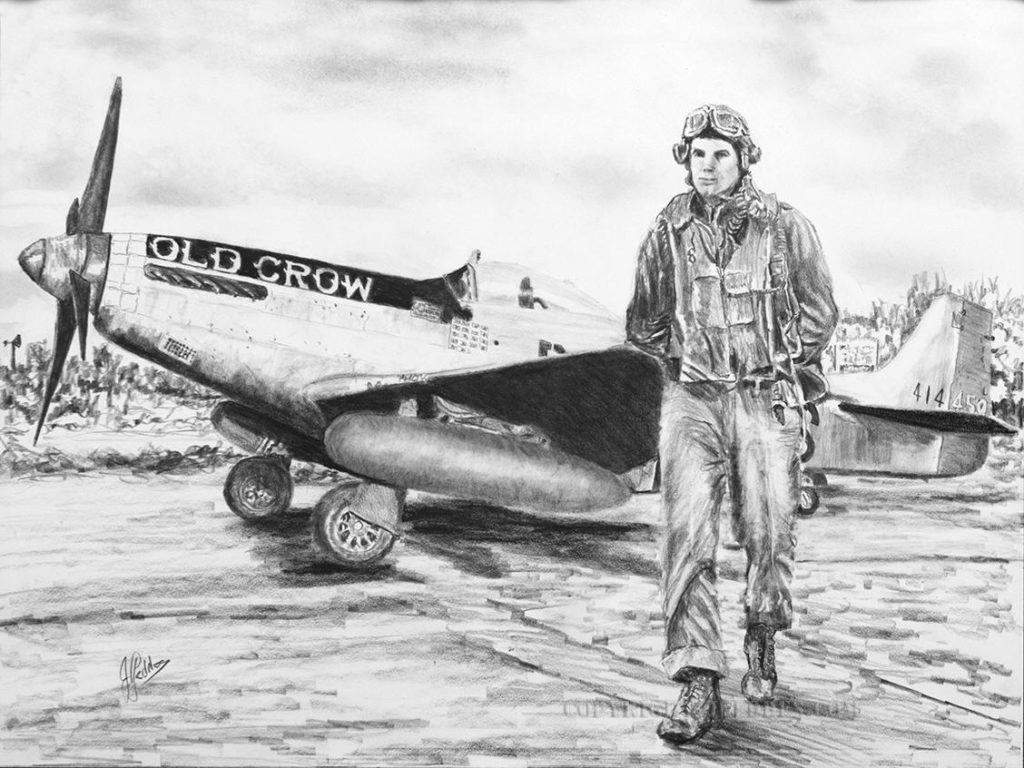
Auburn, CA, Artist James Geddes – “Bud Anderson & Old Crow” https://www.jgeddes.com/BudAnderson_Description.htm
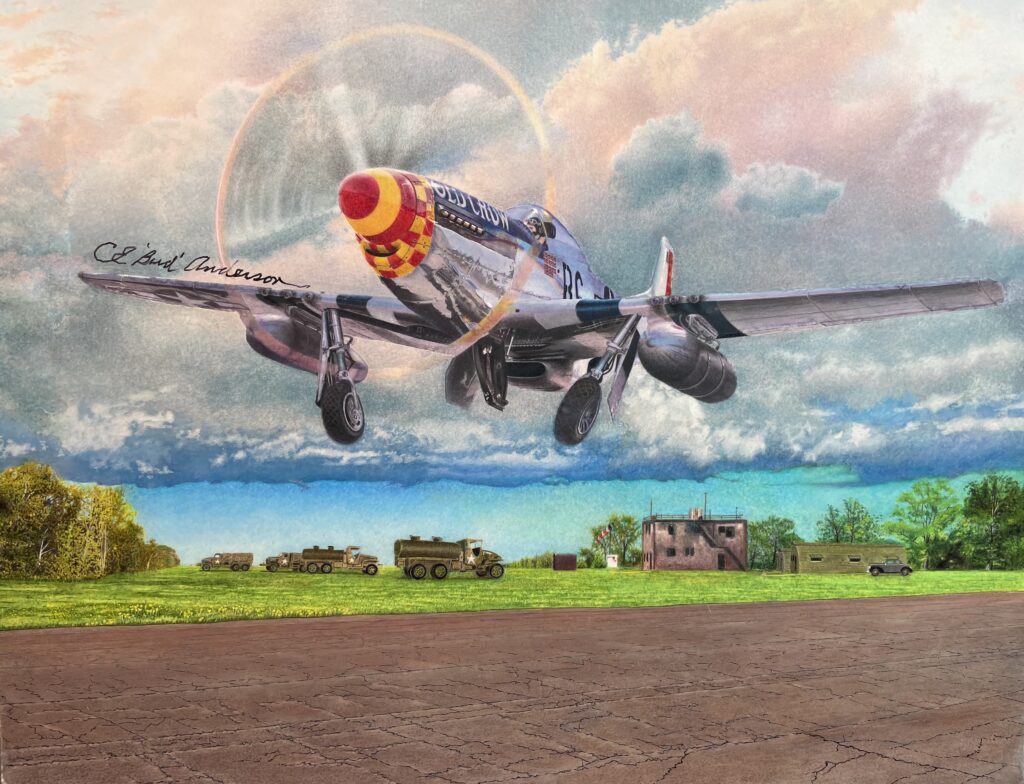
P-51D Old Crow launches on a mission by John Robinson
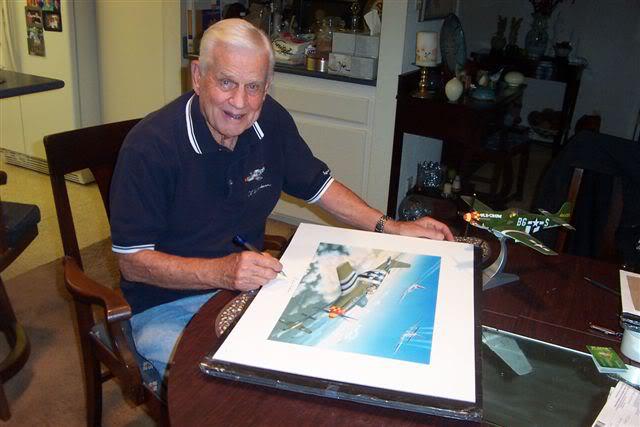
Bud Signing Art Prints!